Transforming Community Projects with 3D Design
5/7/20262 min read
Introduction to 3D Design in Community Projects
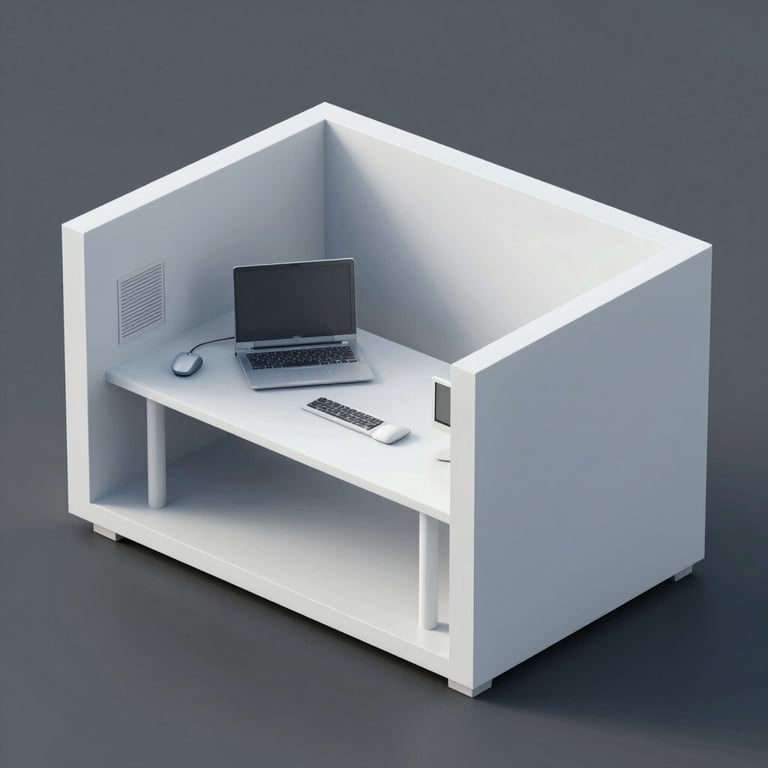
In recent years, the integration of 3D design technologies into community projects has gained immense traction. These innovative tools have the power to enhance planning, visualization, and communication, enabling communities to imagine and implement their aspirations more effectively than ever before. By using 3D design, community developers can create immersive and engaging environments that foster a sense of ownership and pride among residents.
Benefits of 3D Design in Community Development
One of the primary benefits of employing 3D design in community projects is the ability to visualize ideas before they are realized. Traditional planning methods can often lead to misunderstandings and misinterpretations, leaving the community unsatisfied with the final outcome. With 3D design, stakeholders can interact with a tangible representation of the project, allowing for meaningful feedback and adjustments.
Moreover, 3D design assists in determining the feasibility of community initiatives. Planners can simulate how a project fits within its environment, considering factors such as space allocation, aesthetics, and functionality. This proactive approach not only reduces costs associated with last-minute changes but also ensures a higher acceptance rate within the community, making stakeholders feel included in the process.
Case Studies: Successful Applications of 3D Design
Numerous communities have successfully leveraged 3D design to enhance their projects. For instance, a community center project in a suburban neighborhood utilized 3D modeling to showcase various design options to residents. The result was a collaborative effort where community members voiced their preferences, leading to a final design that reflected the collective desires of its users.
Another excellent example is the development of urban parks, where community input was gathered using 3D renderings. Residents were able to visualize different layouts, including landscaping, playgrounds, and walking paths, in realistic contexts, which resulted in a park design that balanced aesthetics with functionality. Such participatory design processes, facilitated by 3D technologies, illustrate how this tool fosters community engagement and satisfaction.
Conclusion: Embracing 3D Design for Future Projects
The future of community projects is undeniably tied to advancements in 3D design technology. As communities strive to create spaces that reflect their unique identities and needs, the use of 3D design will be vital in bridging the gap between conceptual ideas and tangible outcomes. By embracing these innovative tools, communities can not only enhance their current initiatives but also pave the way for inspiring developments that foster social cohesion and environmental sustainability.
Contact
Reach out to support your cause today
Phone
weardaleprojects@outlook.com
01388 342675
© 2026. All rights reserved. Designed by Weardale Projects Support Team.
COMPANY NUMBER 15363467